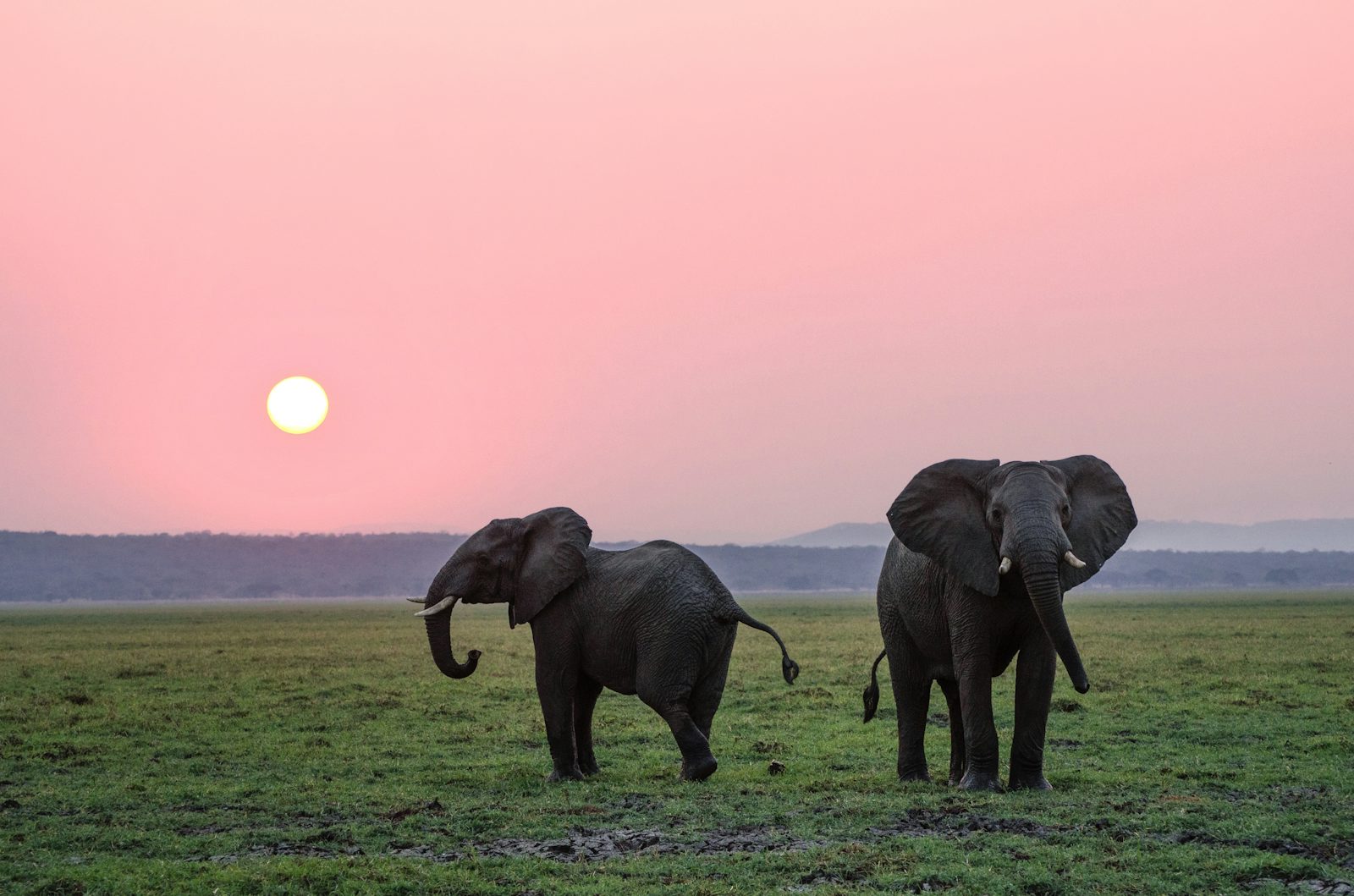
Wildlife Safari Packages
Across India's Best Parks
Track tigers at Jim Corbett, spot rhinos at Kaziranga, and witness Asiatic lions at Gir. Luxytrix wildlife safari packages from ₹9,999 include jeep safaris, expert naturalist, and jungle lodge stays.
15+
Safari Parks
8,000+
Safari Trips Completed
4.9/5
Average Rating
3,167+
Wild Tigers in India
Where Can You See Tigers in India?
India is home to the world's largest population of wild tigers — over 3,167 as of the 2022 census, which accounts for more than 75% of the global wild tiger population. Tigers are found across a network of 53 Project Tiger reserves. Jim Corbett National Park in Uttarakhand (established 1936, India's oldest national park) has the highest individual tiger count with 260+ animals across its 1,318 sq km core zone. Ranthambore in Rajasthan (Zones 1–10) is the most visited, where tigers routinely traverse the lake shores and fort ramparts in broad daylight. Bandhavgarh in Madhya Pradesh holds the highest density — roughly one tiger per 7 square kilometres. Pench, Kanha, Tadoba, and Satpura in central India together form the Central Indian Tiger Landscape, one of the world's most important tiger habitats.
Beyond tigers, India's national parks offer an extraordinary diversity of megafauna. Kaziranga National Park in Assam is home to 2,613 Indian one-horned rhinoceroses — 70% of the world's entire population — as well as elephants, wild buffaloes, and Bengal tigers. Gir Forest National Park in Gujarat shelters the last 674 Asiatic lions remaining on Earth. Kerala's Periyar Tiger Reserve is excellent for wild elephants (herds of 30–50 animals). For birdwatchers, Bharatpur's Keoladeo Ghana National Park in Rajasthan is the undisputed king, with 230+ species including rare Siberian cranes.
India's Top National Park Safari Packages
Every package includes accommodation, government-approved jeep safaris, expert naturalist guide, all meals, and transfers.
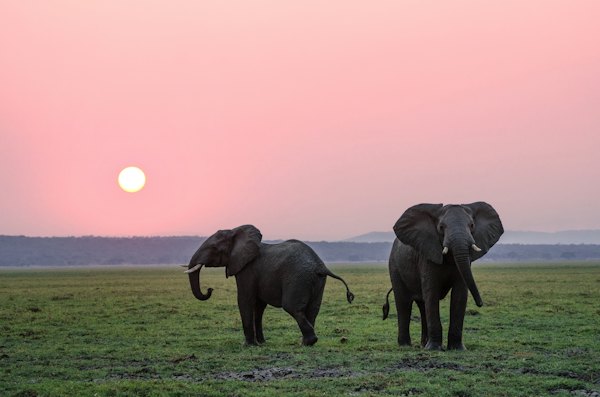
Dhikala Zone · Bijrani Zone · Night Stays
View Package
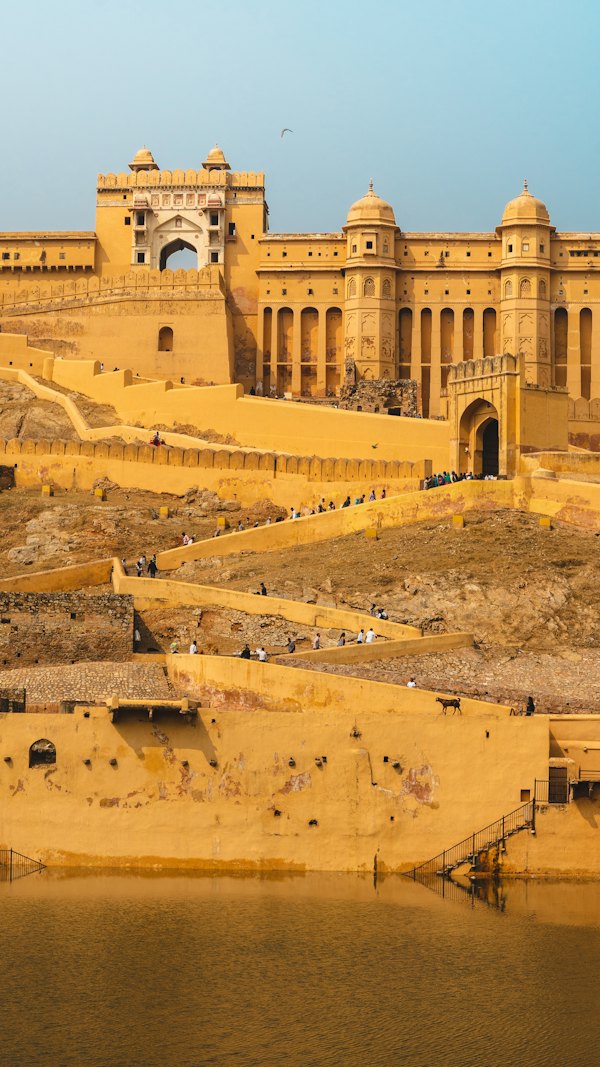
Zones 1–5 · Lake Tigers · Fort Backdrop
View Package

One-Horned Rhino · Elephant Safari
View Package

Tala Zone · Highest Tiger Density MP
View Package
Mowgli Trail · Wolf Sightings
View Package
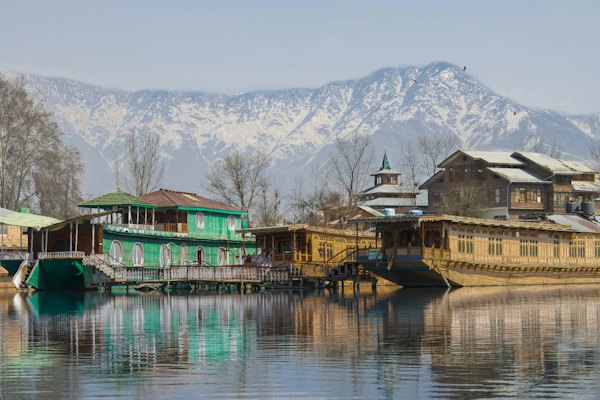
Tadoba Lake Tigers · Sloth Bears
View Package
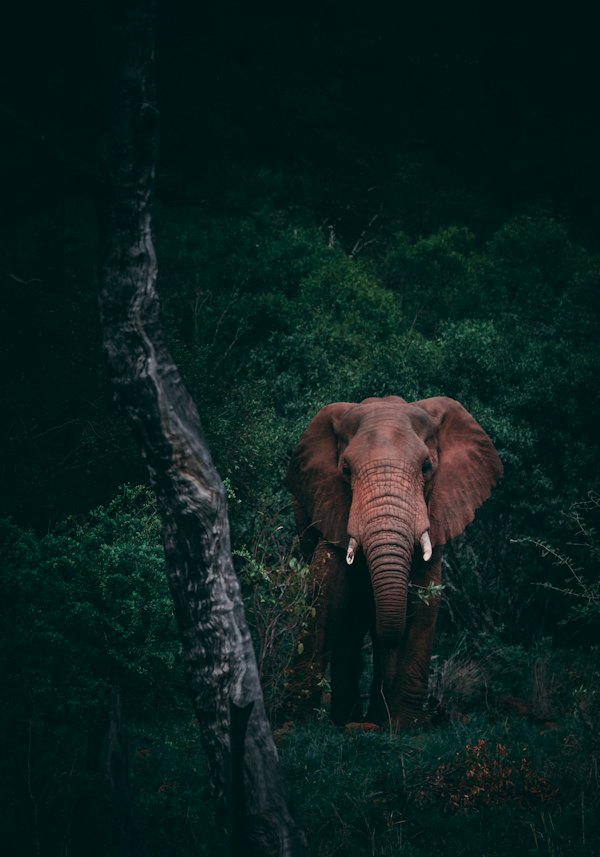
Barasingha · Tiger Meadows
View Package
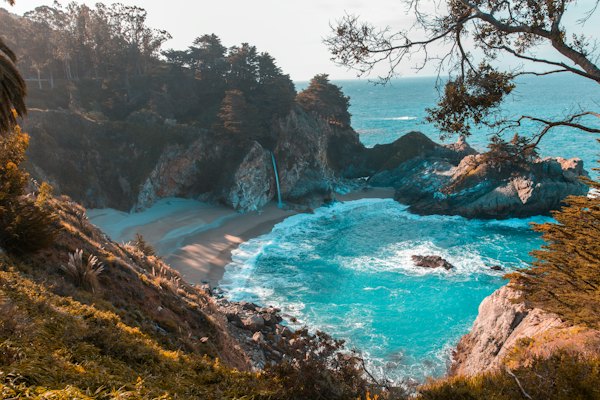
Asiatic Lion · Indian Leopard · Gir Forest
View Package
Safari Experience Guide
What to expect on an Indian national park jeep safari — from zone allocation to timing, etiquette, and photography tips.
Zone System
Indian national parks are divided into Core (restricted access, government jeeps only) and Buffer zones. Core zone permits are limited to 8–16 jeeps per zone per session and must be booked weeks in advance. Luxytrix pre-books your permits to ensure the best zones — Zones 1–5 at Ranthambore and Dhikala Zone at Corbett see the highest tiger activity.
Safari Timings
Morning safari: 5:30 AM–9:00 AM. Evening safari: 3:00 PM–6:30 PM. Morning safaris offer the best tiger sightings as animals are active before heat sets in. Arrive at the park gate 30 minutes before entry — late arrivals lose their slot without refund.
What to Look For
Follow your naturalist's gaze — experienced guides read animal alarm calls, pugmarks in mud, claw marks on trees, and sambar deer warnings to locate predators. In a good park, you may see not just tigers but also leopards, sloth bears, dholes (wild dogs), and hundreds of bird species.
Photography Tips
Use a minimum 400mm telephoto lens for tigers at distance. Set ISO to 800–1600 in forest shade. Continuous AF mode is essential for moving animals. Morning light (6–8 AM) is golden and best for wildlife photography. Do not use flash — it disturbs animals and is prohibited in park zones.
Wildlife by National Park
Which animals can you expect to see at each park? Use this guide to choose the right safari based on the species you most want to encounter.
| National Park | State | Key Species |
|---|---|---|
| Jim Corbett | Uttarakhand | Bengal Tiger, Asian Elephant, Leopard, Gharial, 600+ bird species |
| Ranthambore | Rajasthan | Bengal Tiger, Indian Leopard, Sloth Bear, Sambar Deer, Mugger Crocodile |
| Kaziranga | Assam | Indian One-Horned Rhinoceros, Bengal Tiger, Asian Elephant, Wild Buffalo, Gangetic Dolphin |
| Bandhavgarh | Madhya Pradesh | Bengal Tiger (highest density), Indian Leopard, Gaur, Sambar, Wild Boar |
| Kanha | Madhya Pradesh | Bengal Tiger, Barasingha (Hard Ground Swamp Deer), Indian Leopard, Dhole (Wild Dog) |
| Tadoba | Maharashtra | Bengal Tiger, Sloth Bear, Indian Leopard, Nilgai, Indian Wild Dog |
| Pench | Madhya Pradesh | Bengal Tiger, Indian Wolf, Dhole, Gaur, 325+ bird species |
| Gir | Gujarat | Asiatic Lion (only habitat), Leopard, Sambar, Four-Horned Antelope, Hyena |
Jim Corbett vs Ranthambore: A Detailed Comparison
The two most popular tiger parks in India — compared on every dimension that matters to wildlife travellers.
Jim Corbett National Park
- LocationRamnagar, Uttarakhand (250 km from Delhi)
- Tiger Population260+ tigers (highest count in India)
- Area1,318 sq km core zone
- Key ZonesDhikala, Bijrani, Jhirna, Durga Devi
- Other WildlifeElephants, leopards, gharials, 600+ birds
- Best ForWildlife diversity, bird watchers, nature lovers
- Package Price₹12,999 for 3N/4D
- Nearest AirportPantnagar (50 km) or Dehradun (180 km)
Ranthambore National Park
- LocationSawai Madhopur, Rajasthan (400 km from Delhi)
- Tiger Population80+ tigers across 10 zones
- Area392 sq km core (Zones 1–5 accessible)
- Key ZonesZone 1–3 (lake area), Zone 4–5 (forest)
- Other WildlifeLeopards, sloth bears, crocodiles, sambar
- Best ForTiger photography, open habitat sightings
- Package Price₹14,999 for 3N/4D
- Nearest AirportJaipur (160 km) or Kota (110 km)
Safari Packing Guide
What to bring on an Indian national park safari — recommendations from our field naturalists.
Neutral-coloured clothing (khaki, olive, beige)
Avoid bright colours and white — they disturb wildlife
Warm layer / fleece jacket
Morning safaris (5:30–9 AM) are cold even in summer
Binoculars (8x42 recommended)
Essential for birdwatching and spotting distant wildlife
DSLR or mirrorless camera with 300mm+ lens
Minimum 400mm lens recommended for tigers at distance
Insect repellent (DEET-based)
Mandatory at Tadoba, Kaziranga, and Kanha — leeches in monsoon
Sunscreen and hat
Open jeeps expose you fully to sun from 8 AM onward
Comfortable closed shoes
Not flip-flops — you may walk on forest trails at the buffer zone
Refillable water bottle
No plastic bottles allowed inside national park core zones
Reviews from Wildlife Travellers
"We saw three tigers in 4 safaris at Corbett — including a mother with two cubs at Dhikala. Our naturalist Ramesh knew every pugmark and tree hollow. The luxury lodge on the Ramganga River made it feel like a proper wildlife expedition."
Arjun Malhotra
Delhi
"T-19 (the famous Ranthambore tigress) walked 10 metres from our jeep on day two. Our Luxytrix guide had booked Zone 2 — the best zone for lake sightings. The fort backdrop behind the tiger made for a photograph I'll frame forever."
Priyanka & Venkat
Bangalore
"Seeing an Asiatic lion in the wild is an experience unlike any other. We spotted a pride of six lions near Sasan Gir — three lions, a lioness, and two cubs resting under a fig tree. My parents still talk about it."
Suresh Iyer (with parents)
Chennai
"The elephant safari at Kaziranga allowed us to get within 20 metres of Indian one-horned rhinos — a protected species that was once near extinction. Kaziranga now has 2,600 rhinos, and the forest itself is extraordinary."
Ravi & Anita Sharma
Jaipur
Wildlife Safari FAQs
Which is the best safari park to see tigers in India?
Bandhavgarh National Park in Madhya Pradesh has the highest tiger density of any national park in India — roughly one tiger per 7 sq km of core area. Ranthambore in Rajasthan is the most photogenic, with tigers frequently spotted near lakes against the backdrop of the historic Ranthambore Fort. Jim Corbett in Uttarakhand has the largest tiger population, with over 260 tigers, and offers the widest range of safari zones and lodge options.
Jim Corbett vs Ranthambore — which should I choose?
Jim Corbett is better for volume and variety — more tigers, more wildlife diversity (600+ bird species, elephants, leopards), and more zone options across its five zones. Ranthambore is better for photography — tigers at Ranthambore are more habituated to jeeps and are frequently seen in open lakeside habitats with dramatic backdrops. Corbett suits nature enthusiasts; Ranthambore suits photographers. Budget-wise, Ranthambore (₹14,999) is slightly more expensive than Corbett (₹12,999) due to higher permit fees.
What is the best time for wildlife safaris in India?
October to April is the best period for wildlife safaris across most Indian national parks. Parks close during the monsoon season (June–September) for core zones. The best months for tiger sightings are April and May — the peak summer heat forces tigers to water sources and makes sightings more predictable. October–November (post-monsoon) is excellent for birdwatching as migratory species arrive. Kaziranga in Assam opens in October after the annual floods recede.
How much does a tiger safari in India cost?
A 3-night/4-day tiger safari package with Luxytrix starts at ₹11,999 per person (Pench) to ₹15,999 (Kaziranga). This includes accommodation at a jungle lodge, 4 jeep safaris (2 per day), an expert naturalist guide, all meals, and airport/railway transfers. Luxury tent or eco-lodge options cost ₹20,000–35,000 per person for the same duration. Government safari jeep permits cost ₹200–600 per person per safari, separate from accommodation.
Can you see lions in India? Where?
Yes — Gir National Park and Gir Forest National Park in Gujarat is the only place in the world outside Africa where Asiatic lions live in the wild. As of the 2020 census, there are 674 Asiatic lions in Gir — a conservation success story, up from just 177 in 1968. Lions at Gir are visible on guided safaris year-round except during the monsoon closure. Luxytrix Gir packages start at ₹10,999 for 3 nights including 2 full-day safaris.
What are the best bird watching destinations in India?
Bharatpur (Keoladeo Ghana) National Park in Rajasthan is India's premier bird sanctuary — it hosts 230+ resident and migratory species including Siberian cranes (rare), painted storks, and spot-billed pelicans. Corbett is exceptional for raptors (43 species). Kaziranga hosts over 400 bird species including the grey pelican, greater adjutant stork, and black-necked stork. The Andaman Islands offer unique endemic species. Luxytrix organises specialist birding tours with ornithologist guides.
Book Your Tiger Safari Today
Wildlife safari packages from ₹9,999. Permits sell out fast — especially for Ranthambore Zones 1–5. WhatsApp us now to check availability.