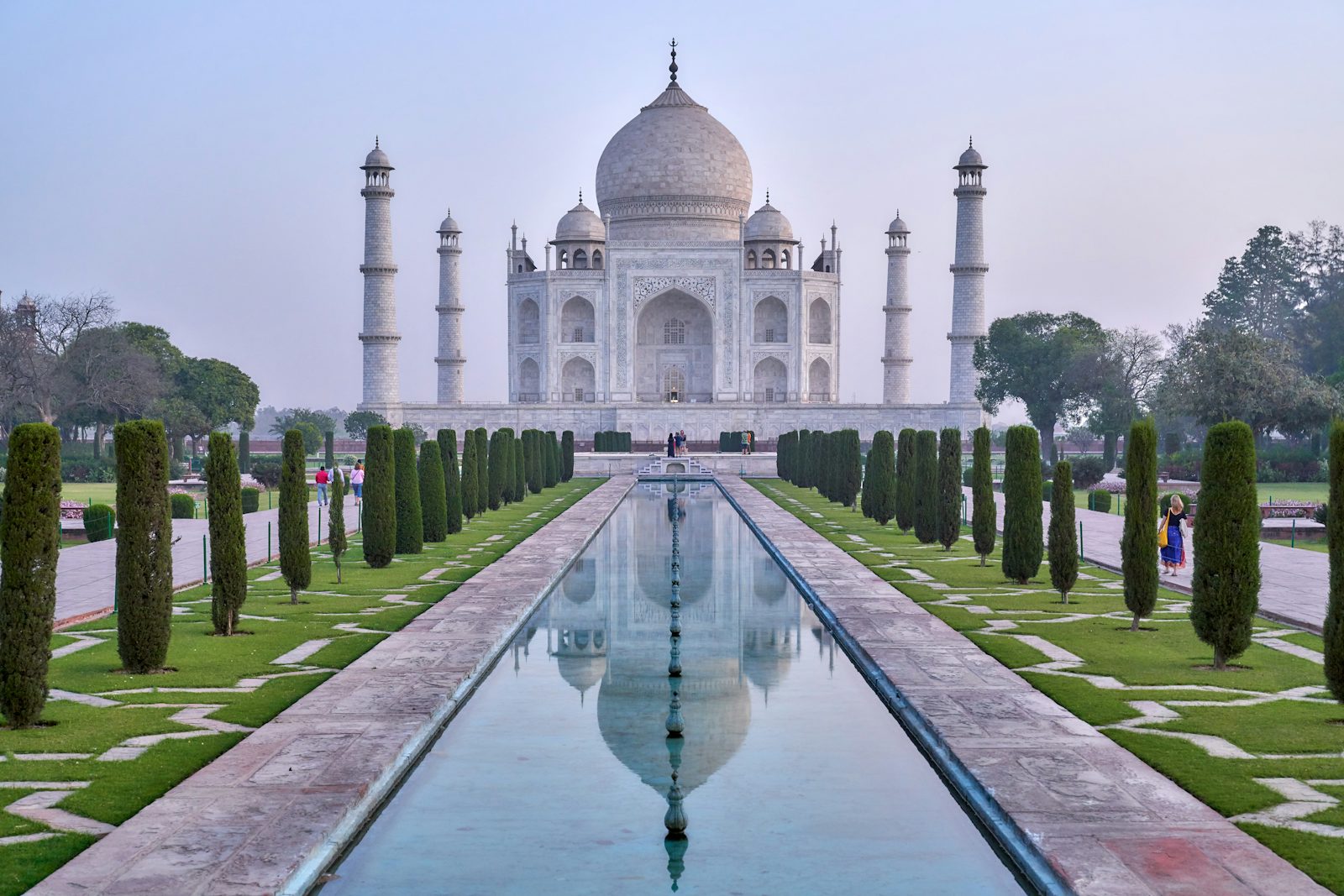
Heritage Tour Packages
Across India's Historic Sites
From the Taj Mahal at sunrise to Hampi's 14th-century ruins — Luxytrix heritage tours cover 40+ UNESCO World Heritage Sites with expert historian guides. Packages from ₹10,999.
42
UNESCO Sites in India
5,000+
Years of Civilisation
12,000+
Heritage Tours Done
4.9/5
Traveller Rating
What Are the Best Heritage Sites in India?
India's heritage spans nearly 5,000 years of continuous civilisation — from the brick-paved streets of the Indus Valley Civilisation at Mohenjo-daro to the Mughal masterpieces of the 17th century. India has 42 UNESCO World Heritage Sites (as of 2024), ranking sixth globally. The most iconic is the Taj Mahal in Agra, built between 1632 and 1653 by Emperor Shah Jahan as a mausoleum for his wife Mumtaz Mahal. It is crafted from white Makrana marble inlaid with 28 types of precious and semi-precious stones, and took 20,000 artisans over 21 years to complete. The monument attracts 6–8 million visitors annually.
Rajasthan's six UNESCO-listed hill forts — Amber Fort (Jaipur), Mehrangarh (Jodhpur), Chittorgarh, Kumbhalgarh (with the world's second longest wall after the Great Wall of China), Ranthambore, Gagron, and Jaisalmer — collectively represent the military and courtly architecture of the Rajput clans across the 8th–18th centuries. Hampi (Karnataka, UNESCO 1986) is the sprawling ruined capital of the Vijayanagara Empire — once one of the world's largest cities with over half a million inhabitants before its destruction in 1565. The 2,000-year-old Ajanta cave paintings (Maharashtra, UNESCO 1983) are the finest surviving examples of ancient Indian Buddhist art.
South India's Dravidian temple architecture represents a separate and equally spectacular heritage tradition. The Brihadeeswarar Temple at Thanjavur (Tamil Nadu, UNESCO 1987) has a 66-metre tower built entirely of granite in 1010 AD. The Meenakshi Amman Temple at Madurai has 14 gopurams (gateway towers) covered in 33,000 sculptures. Mahabalipuram (Tamil Nadu, UNESCO 1984) contains 7th-century Shore Temples carved directly into coastal rock outcrops.
Curated Heritage Tour Packages
Expert-designed heritage circuits covering India's most significant historical sites — each with an Archaeological Survey of India-certified historian guide.
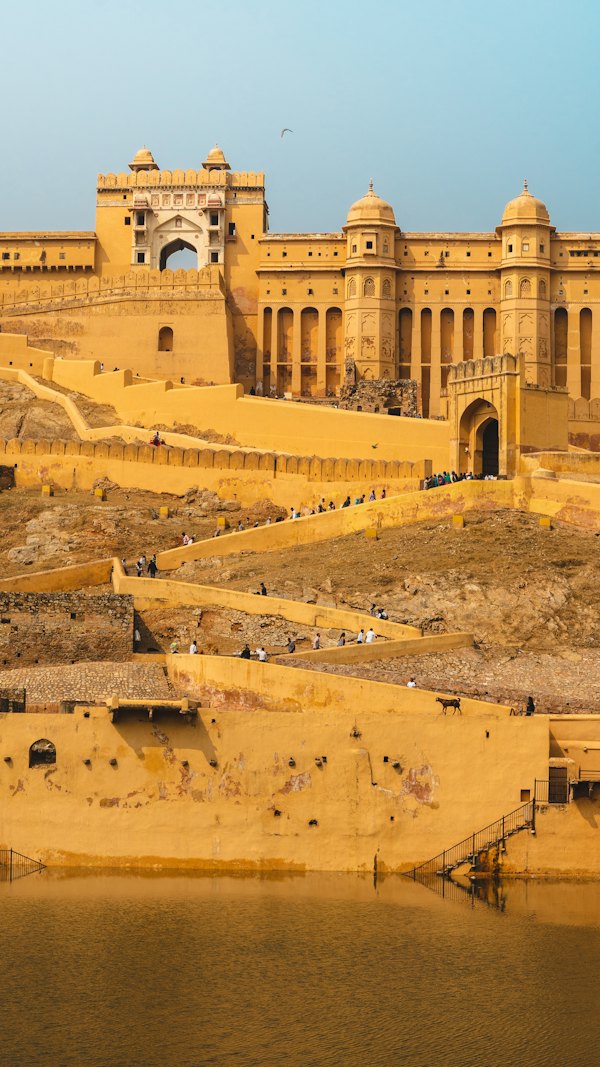
Amber Fort · Mehrangarh · Hawa Mahal
View Package
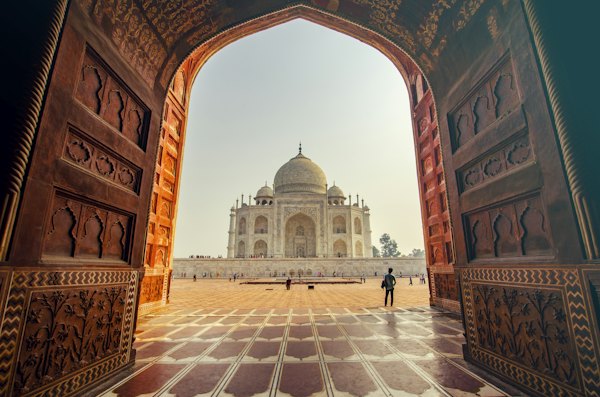
Sunrise Taj · Agra Fort · Sikandra
View Package
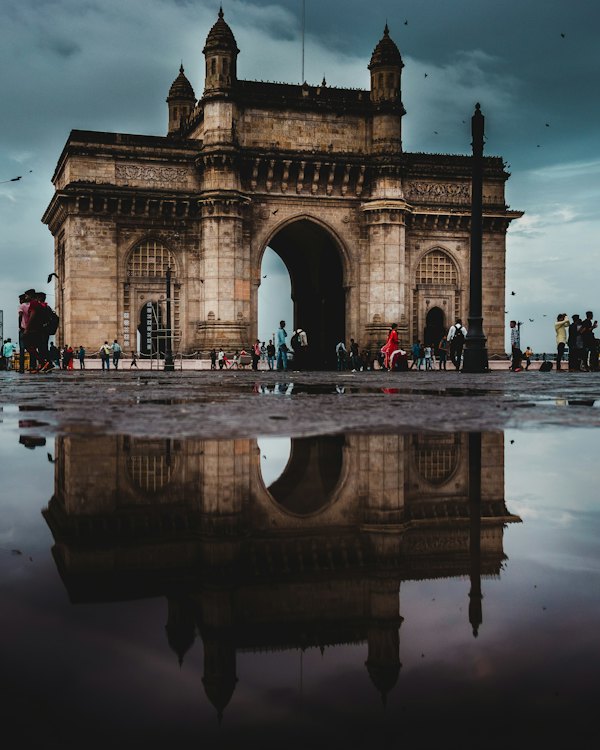
Virupaksha Temple · Vittala Complex
View Package
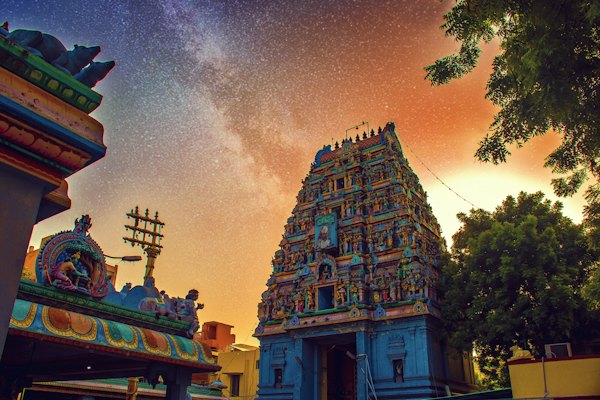
Kailasa Temple · Cave Murals · Aurangabad
View Package

Sun Temple · Jagannath Puri · Chilika Lake
View Package
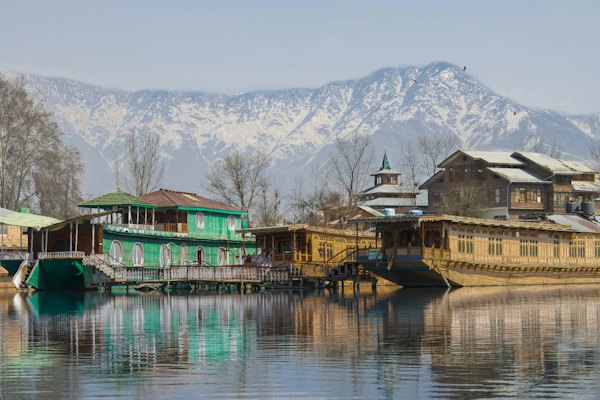
Shore Temple · Meenakshi Amman · Thanjavur
View Package
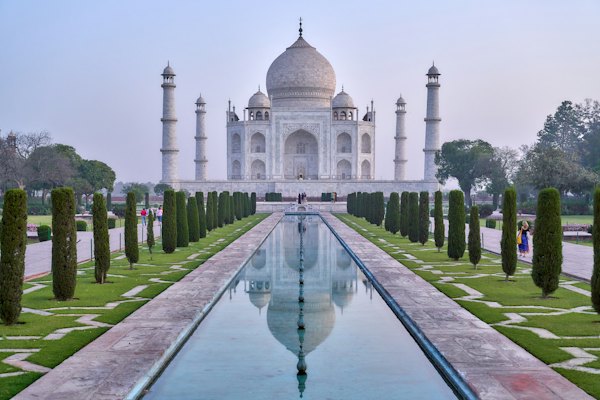
Kandariya Temple · Orchha Fort · Cenotaphs
View Package
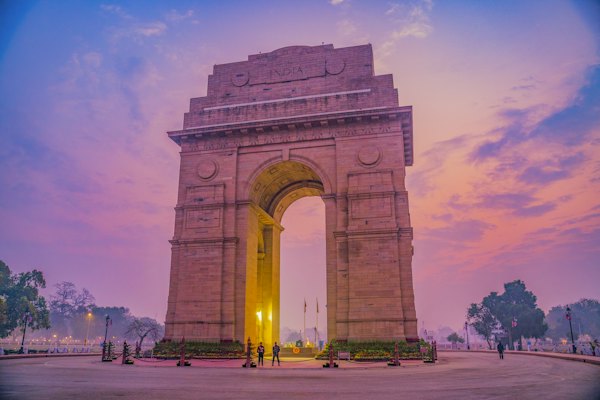
Red Fort · Qutub Minar · Humayun's Tomb
View Package
UNESCO World Heritage Sites of India
India has 42 UNESCO World Heritage Sites. These are the most visited and historically significant among them — all accessible through Luxytrix heritage packages.
| Site | Location | UNESCO Year | Type |
|---|---|---|---|
| Taj Mahal | Agra, Uttar Pradesh | 1983 | Cultural |
| Agra Fort | Agra, Uttar Pradesh | 1983 | Cultural |
| Ajanta Caves | Aurangabad, Maharashtra | 1983 | Cultural |
| Ellora Caves | Aurangabad, Maharashtra | 1983 | Cultural |
| Konark Sun Temple | Konark, Odisha | 1984 | Cultural |
| Mahabalipuram | Tamil Nadu | 1984 | Cultural |
| Kaziranga National Park | Assam | 1985 | Natural |
| Manas Wildlife Sanctuary | Assam | 1985 | Natural |
| Keoladeo National Park | Bharatpur, Rajasthan | 1985 | Natural |
| Hampi Ruins | Karnataka | 1986 | Cultural |
| Fatehpur Sikri | Agra, Uttar Pradesh | 1986 | Cultural |
| Khajuraho Temples | Madhya Pradesh | 1986 | Cultural |
| Sundarbans National Park | West Bengal | 1987 | Natural |
| Elephanta Caves | Mumbai, Maharashtra | 1987 | Cultural |
| Champaner-Pavagadh | Gujarat | 2004 | Cultural |
| Qutub Minar | Delhi | 1993 | Cultural |
| Humayun's Tomb | Delhi | 1993 | Cultural |
| Rajasthan Hill Forts | Rajasthan | 2013 | Cultural |
North India vs South India Heritage
Two completely different architectural traditions — how do they compare?
North India Heritage
- ArchitectureIndo-Islamic, Mughal, Rajput, Buddhist
- Key StylesBulbous domes, minarets, arched gateways, pietra dura inlay
- Top SitesTaj Mahal, Agra Fort, Red Fort, Fatehpur Sikri, Rajasthan Forts
- UNESCO Sites14 in Rajasthan, UP, Delhi, and MP
- Best SeasonOctober to March (cool and dry)
- Packages from₹10,999 (Agra) to ₹18,999 (full Rajasthan)
South India Heritage
- ArchitectureDravidian, Chalukya, Pallava, Chola, Hoysala
- Key StylesTowering gopurams, mandapams, rock-cut temples, bas-relief sculpture
- Top SitesMahabalipuram, Hampi, Thanjavur, Madurai, Belur-Halebidu
- UNESCO Sites6 in Karnataka and Tamil Nadu
- Best SeasonNovember to February
- Packages from₹11,999 (Tamil Nadu) to ₹12,999 (Hampi circuit)
Heritage Photography Guide
How to photograph India's monuments at their absolute best — from our travel photographers and guides.
Best light: Golden Hour
The Taj Mahal is best photographed at sunrise (5:30–7:00 AM) when the marble glows pink-orange. Qutub Minar looks stunning in the warm evening light. Konark Sun Temple's intricate carvings become shadow-rich at 8–10 AM.
Timing for fewer crowds
Visit the Taj Mahal on Friday mornings — the monument is closed to non-Muslim visitors on Fridays but opens from 6 AM. Weekdays in November–February see 30% fewer visitors than weekend peak season.
Drone regulations
Drone photography is prohibited at the Taj Mahal, Agra Fort, Fatehpur Sikri, Qutub Minar, Red Fort, and all ASI-protected monuments. Permission from the Archaeological Survey of India is required 30 days in advance for any drone use at heritage sites.
Best camera settings
For intricate carvings (Khajuraho, Ajanta murals): use f/8 with a tripod and ISO 400. For wide-angle monument shots (Taj Mahal, Red Fort): use a 24–35mm lens at f/11. Many caves at Ajanta are dark — high ISO 3200 and image stabilisation are essential.
How to Plan a Heritage Circuit in India
Choose your heritage focus
Mughal architecture (Delhi-Agra corridor), Rajput forts (Rajasthan), Dravidian temples (Tamil Nadu/Karnataka), Buddhist caves (Maharashtra), or colonial heritage (Mumbai/Kolkata/Pondicherry). Each requires different routing and duration.
Plan around the weather
North Indian heritage sites are best visited October–March. The intense summer heat (45°C in Agra in June) makes outdoor monument exploration exhausting. South India's temples are accessible year-round but best in November–February. Monsoon (June–September) brings lush greenery to Hampi but limits visibility.
Build in two nights per major site
The Taj Mahal deserves sunrise AND sunset visits — both look different. Rajasthan's forts like Mehrangarh and Chittorgarh each need half a day to explore properly. Budget at minimum two nights per major heritage city to avoid feeling rushed.
Book a historian guide, not just a tourist guide
A licensed ASI historian can decode 500-year-old inscriptions, identify architectural periods from pillar carvings, and tell the human story behind each monument. Luxytrix provides historian-level guides on all heritage packages — the difference it makes is substantial.
Reviews from Heritage Travellers
"As a history teacher, I had high expectations. Our Luxytrix guide Rajesh exceeded all of them — from the astronomical instruments at Jantar Mantar to the battle history of Chittorgarh's Vijay Stambha, every site was explained in extraordinary depth. The Mehrangarh Fort in Jodhpur was a career highlight."
Dr. Suresh Mehta
Ahmedabad
"The scale of Kailasa Temple at Ellora — carved from a single basalt cliff over 100 years — is beyond comprehension. Luxytrix booked us with an Archaeological Survey guide who spent 4 hours just on Cave 16. The cave paintings at Ajanta are the finest surviving ancient art I've ever seen."
Ananya & Vikram Singh
Mumbai
"We did Delhi-Agra-Jaipur with Luxytrix and the historian guide they arranged spoke fluent English with an academic depth that our previous India trips had never offered. The sunrise at the Taj Mahal, with misty river behind — no photograph captures it. Faultless organisation."
Margaret & David Thompson
London (visiting India)
"The Brihadeeswarar Temple at Thanjavur and Meenakshi Amman Temple at Madurai are among the most architecturally complex buildings in the world. Our Luxytrix historian knew the story of every sculptural panel. A deeply moving cultural and spiritual experience."
Rekha Nair
Kochi
Heritage Tour FAQs
What are the best heritage sites to visit in India?
India's top heritage sites include the Taj Mahal (Agra, built 1632–1653 by Mughal Emperor Shah Jahan), Rajasthan's six UNESCO-listed hill forts (Amber, Chittorgarh, Kumbhalgarh, Ranthambore, Gagron, and Jaisalmer), Hampi's Vijayanagara ruins (Karnataka), Ajanta-Ellora cave temples (Maharashtra), Konark Sun Temple (Odisha, 1984 UNESCO listing), and the temples of Mahabalipuram (Tamil Nadu). For a single iconic experience, the Taj Mahal at sunrise is unmatched.
How many UNESCO World Heritage Sites are in India?
India has 42 UNESCO World Heritage Sites as of 2024 — 34 cultural, 7 natural, and 1 mixed (Khangchendzonga National Park). India ranks sixth globally by number of UNESCO sites. The sites span from the 3rd-century BC Buddhist monuments at Sanchi (MP) to the Victorian-era Gothic buildings of Mumbai (listed 2018). Rajasthan alone contains 6 UNESCO cultural sites.
What is the entry fee for the Taj Mahal?
The Taj Mahal entry fee for Indian nationals is ₹50 per person. For foreign nationals, the fee is ₹1,100 (approximately USD 13). An additional ₹200 is charged for entry to the main mausoleum interior. The Taj Mahal is closed every Friday for non-Muslim visitors. Tickets must now be booked online through the ASI website or government tourism portal. Luxytrix includes pre-booked Taj Mahal tickets in all Agra packages.
What does a Rajasthan heritage tour cost?
A Luxytrix Rajasthan heritage circuit covering Jaipur, Jodhpur, Jaisalmer, and Udaipur over 8 nights costs ₹18,999–28,999 per person depending on hotel category. This includes accommodation (standard to heritage hotel), an air-conditioned tempo traveller or SUV, historian guide, monument entry fees, and breakfast. The Golden Triangle (Jaipur-Agra-Delhi) for 6 nights starts at ₹14,999 per person.
What is the best heritage circuit in India?
The Rajasthan Heritage Circuit (Jaipur-Jodhpur-Jaisalmer-Udaipur) is India's most comprehensive and visually dramatic heritage trail — covering six UNESCO-listed forts, 15th–18th century palaces, havelis, and step-wells across 10–12 days. The Central India Heritage Circuit (Khajuraho-Orchha-Gwalior) is excellent for medieval temple architecture. The Maharashtra Cave Circuit (Mumbai-Elephanta-Ajanta-Ellora) covers 2,000 years of rock-cut art in 4–5 days.
Is photography allowed at Indian monuments?
Still photography is permitted at most ASI-protected monuments for personal use — including the Taj Mahal, Red Fort, Qutub Minar, Hampi, Ajanta, and Ellora. Video cameras and tripods require a separate fee (₹25–200 depending on site). Drone photography is prohibited at all ASI monuments without advance written permission. Flash photography is strictly prohibited inside the Ajanta cave paintings and at all museums attached to monument sites.
Explore India's Living History
Heritage packages from ₹10,999 with expert historian guides. Every package is designed so you don't just see history — you understand it.